Living in a coastal city comes with incredible perks, from beautiful ocean views to relaxing beach weekends. However, if you are a car owner, the coastal environment introduces a silent, relentless enemy: salt air. While most drivers know that coastal air can accelerate rust on their car’s body panels, few realize that their license plates and mounting hardware are often the first parts to suffer from severe corrosion.
Within just a few months of exposure to heavy marine mist, standard factory screws can rust completely solid, leaving ugly brown streaks running down your bumper. In worst-case scenarios, the license plate itself can oxidize to the point where the letters become unreadable, which can lead to costly traffic tickets.
Fortunately, protecting your vehicle's registration plates from sea salt damage is straightforward if you use the right materials and preventative tactics. This comprehensive guide covers everything you need to know about stopping license plate corrosion in coastal areas.
The Science of Salt Air: Why It Destroys License Plates
To effectively fight corrosion, it helps to understand why coastal air is so destructive to metals. The atmosphere near the ocean is packed with microscopic saltwater droplets, commonly referred to as marine aerosols. This salt air is highly conductive. When it settles on a metallic surface, it creates an aggressive electrochemical reaction that speeds up the oxidation process of iron and steel by up to ten times faster than in dry, inland environments.
Furthermore, coastal regions often experience high humidity and heavy morning dew. This moisture traps the salt particles against your car's exterior surfaces for extended periods. When standard, low-grade metal license plate screws are exposed to this combination, they undergo galvanic corrosion—a process where two different metals corrode each other when joined by an electrolyte like saltwater.
The Major Consequences of License Plate Corrosion
Ignoring a rusting license plate can lead to several annoying and expensive problems down the road:
- Blotted Registration Tags: Heavy rust bleeding down from the screws can stain and cover up your annual registration validation stickers, making it difficult for law enforcement to verify your vehicle’s legal status.
- Seized Hardware: When steel screws rust inside a bumper's metal or plastic inserts, they can strip or snap completely in half when you try to remove them. This often turns a simple, two-minute license plate swap into an expensive dealership repair project.
- Failed Inspections: In many jurisdictions, driving with a severely oxidized or obscured license plate is illegal and will cause your car to fail annual vehicle safety or emissions inspections.
Top Strategies to Prevent License Plate Corrosion
The secret to coastal rust prevention lies in isolating the metal surfaces or using materials that are inherently immune to saltwater damage. Here are the most effective strategies you can implement today:
Upgrade to True Stainless Steel Hardware
Most vehicle manufacturers supply cheap, zinc-plated steel screws with new cars. These screws stand no chance against ocean air. Your very first line of defense should be replacing them with a high-quality marine-grade stainless steel license plate screw kit (such as Grade 304 or Grade 316 stainless steel). Stainless steel contains chromium, which forms an invisible, self-healing protective layer that prevents rust from taking hold, even when exposed to high-salinity marine environments.
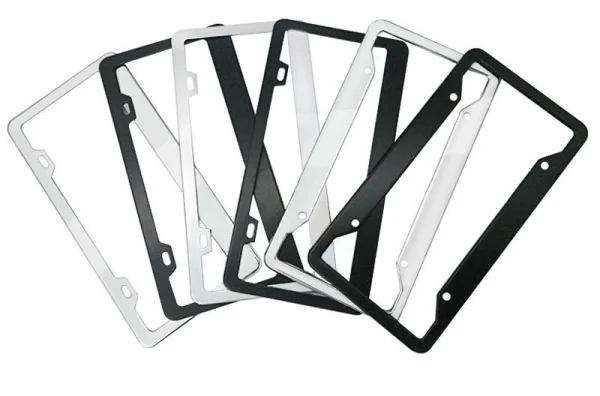
Utilize Full-Enclosure Silicone License Plate Frames
Standard metal or cheap plastic frames often trap moisture and salt crystals behind the plate, acting like a wet sponge against your car’s paint. A modern, premium silicone license plate frame is a game-changer for coastal drivers. Industrial silicone is completely waterproof, rust-proof, and highly resistant to intense UV rays. A good silicone frame will wrap around the entire edge of the aluminum plate, keeping salt water from accumulating along the raw, vulnerable cut edges of the metal.
Install Protective Anti-Rust Screw Caps
Even if you use stainless steel screws, adding an extra layer of physical defense is always smart. Look for a security screw kit that includes snap-on plastic or silicone screw covers. These caps seal the screw heads completely away from direct contact with airborne salt mist and heavy rain, while simultaneously giving your vehicle a clean, streamlined aesthetic.
Apply an Anti-Seize Lubricant to Screw Threads
Before inserting your new stainless steel screws into the bumper, apply a thin coat of marine anti-seize lubricant or synthetic grease to the threads. This creates a waterproof barrier inside the mounting hole, preventing galvanic corrosion between the screw and the car's body. It guarantees that you will always be able to unscrew your plate easily in the future, no matter how many years you live by the beach.
Routine Maintenance Tips for Coastal Drivers
While upgrading your hardware does most of the heavy lifting, a little bit of ongoing maintenance ensures your vehicle stays pristine:
- Hose Down the Plates Regularly: When washing your car, pay special attention to the front and rear license plate areas. Use a high-pressure hose to rinse out any hidden salt crust that may have gathered behind the plate or around the frame borders.
- Apply Protective Spray Waxes: The next time you wax your car's paint, apply a quick layer of spray wax or ceramic detailer directly onto the face of your aluminum license plate. This slick coating helps saltwater slide right off instead of drying into hard salt spots.
You do not have to let salt air ruin your vehicle’s clean look or damage its hardware. By investing in marine-grade stainless steel screws, protecting the plate edges with a flexible silicone frame, and using a dab of anti-seize lubricant during installation, you can completely insulate your vehicle from coastal corrosion and enjoy peace of mind on every beach drive.