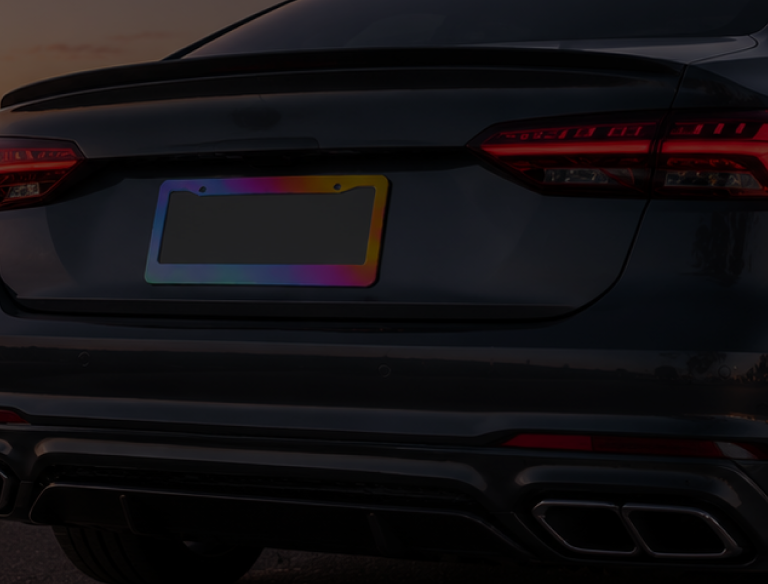
For many drivers, adding an aftermarket license plate frame is a quick, budget-friendly way to personalize a vehicle or protect its factory paint. However, this simple five-minute upgrade can quickly turn into a technical headache the first time you shift into reverse. You might notice a distracting black blur cutting off the top of your infotainment screen, or your rear parking sensors might start chiming falsely at an empty driveway.
As automakers integrate backup cameras and proximity sensors more discreetly into the rear trim, the clearance between the lens and the license plate has shrunk to millimeters. If your new accessory is invading your rearview screen's line of sight, you do not have to throw it away just yet. Here is a breakdown of why this engineering conflict occurs, which vehicles are most vulnerable, and how to fix it.
Why Do License Plate Frames Block the Camera?
Modern backup cameras rely on highly specialized ultra-wide-angle or "fish-eye" lenses designed to capture a broad panoramic radius. This wide field of view is crucial for spotting low-lying obstacles, but it also means the lens's visual perimeter sits incredibly close to the body of the car.
When you install a standard aftermarket frame, three main design flaws typically cause a visual obstruction:
- Excessive Upper Border Thickness: Novelty or promotional frames from dealerships often feature a top border wider than 0.5 inches. This heavy overhang drops straight down into the camera’s downward-facing field of view.
- Protruding Security Bolt Caps: Heavy-duty anti-theft bolt covers or thick plastic screw caps stick out much further than flat screws. At night, these protruding caps catch the camera’s infrared light or the license plate illumination, causing a blinding white glare on your monitor.
- Assembly Depth: Rigid cast-metal or heavy plastic frames add substantial physical thickness to the plate stack, pushing the outer edge of the assembly forward into the wide-angle camera zone earlier than a flush-fitting alternative would.
Vehicle Hotspots: Who is Most Vulnerable?
While this issue can plague virtually any vehicle, certain factory designs suffer from camera and sensor interference far more frequently:
- Pickup Trucks: On trucks like the Ford F-150 or Ram 1500, cameras are mounted right above the bumper step and angled sharply downward to help drivers line up trailer hitches. Because the lens looks almost vertically down, a thick frame will instantly interrupt your view of the hitch ball.
- SUVs and Hatchbacks: Vehicles with vertical rear hatches—like the Toyota RAV4 or Jeep Wrangler—frequently house the camera directly underneath the recessed trunk handle lip, right above the top edge of the plate, leaving zero margin for error.
- Modern Electric Vehicles: For owners of advanced EVs like the Tesla Model 3/Y, a blocked camera can actively degrade vehicle safety features. These platforms feed rear video data directly into autonomous driving and parking assist networks, meaning a partial obstruction can trigger system alerts.
How to Fix a Blocked Backup Camera: 4 Practical Methods
If you are dealing with a compromised rear view or false proximity alarms, try these practical, field-tested troubleshooting steps.
1. The Vertical Adjustment Technique
Most factory license plate mounting brackets are manufactured with a small amount of vertical tolerance or "play." Completely loosen the mounting bolts, manually push the entire license plate and frame assembly downward as far as the screw channels allow, and hold it firmly in place while you retighten the screws. Dropping the frame by a mere 2 millimeters is often all it takes to clear a camera’s field of view.
2. Upgrade to an Engineer-Approved "Slimline" Frame
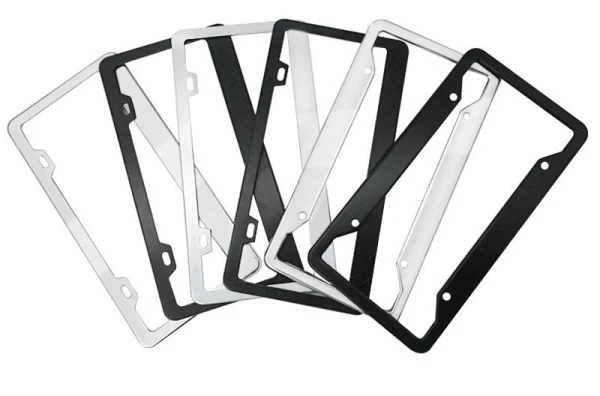
If your vehicle has zero vertical adjustment play, you need to swap your current setup for a dedicated slimline frame. High-quality slimline frames utilize an ultra-thin bezel that only wraps around the outermost 1 to 2 millimeters of the license plate's edge. By shrinking the top boundary to an absolute minimum, a slimline frame guarantees that 100% of your state graphics remain legal while leaving your backup camera with clear visibility.
3. Switch to a Flexible, Low-Profile Silicone Frame
If you want to completely eliminate the risk of camera blockage, paint scratching, and noise vibration all at once, a premium silicone license plate frame is the ultimate solution. These frames wrap tightly around the edges of the plate like a sleek phone case.
Silicone provides distinct technical advantages:
- Zero Visual Overhang: The material is highly flexible and structurally minimal, laying entirely flat against the trunk steel to stay clear of the camera's fish-eye zone.
- Perfect Sensor Harmony: Unlike dense metal frames that can deflect ultrasonic waves and cause false reverse alarms, silicone is completely non-interfering.
- Acoustic Dampening: Silicone absorbs sound waves entirely, preventing the metal plate from rattling against the tailgate due to trunk slams or heavy subwoofer bass.
4. Opt for Optical-Grade Clear Protective Shields
For drivers who operate their vehicles in harsh winter environments or muddy off-road trails, protecting the physical metal plate from corrosion is a top priority. The fix is choosing an ultra-clear protective cover. Premium clear shields completely ditch the traditional thick outer frame, using a single piece of low-profile, optical-grade polymer that covers the plate entirely and fastens flush via flat-head screws. This keeps your plate pristine without adding the bulky physical overhang that causes screen blind spots.
Summary Purchase Checklist
When shopping for your next exterior vehicle accessory, use this quick checklist to guarantee 100% camera and sensor compatibility:
- Look for a top border thickness strictly under 0.25 inches.
- Avoid oversized, dome-shaped decorative screw caps.
- Prioritize flush-mounting, flexible materials like silicone or slim metal.
- Ensure ample physical space remains around factory trunk release buttons.
- Maintaining an unobstructed rearview camera is crucial for parking safety. By choosing low-profile, intentionally engineered accessories, you can easily style your vehicle while keeping your vision perfectly clear and safe.
Tired of seeing an annoying black blur on your backup screen? Explore our exclusive online catalog of 100% camera-compatible license plate solutions. From premium real carbon fiber and classic heavy-duty stainless steel to sleek slimline aluminum and ultra-flexible silicone frames, we offer an extensive range of materials tailored to your specific style and functional needs. Engineered with ultra-thin, flush-mounting technology, our diverse collections guarantee a completely unobstructed rear view and absolute sensor compatibility for all modern cars, trucks, and SUVs. [Find the Perfect Material for Your Ride Today!]