It is a small, annoying detail that can quickly ruin the feeling of owning a premium vehicle. You pull your rear trunk lid down, let it snap shut, and instead of a solid, luxury car thud, you hear a loud, metallic clatter vibrating from your rear bumper.
That cheap, buzzing sound is almost always caused by a loose license plate or an ill-fitting frame slapping against your vehicle's sheet metal. This vibration does more than just sound embarrassing in a parking lot. Every time that bare metal plate slaps your trunk, it micro-scratches your vehicle's clear coat. Over time, these tiny abrasions chip away the protective paint, allowing moisture and road salt to settle in and create bubbling rust spots right underneath your mounting zone.
Stopping this frustrating vibration is a quick, inexpensive DIY project. By understanding the physics of why plates rattle and applying the right insulation tactics, you can restore that satisfying, high-end acoustic seal every time you close the trunk.
The Displaced Air Shockwave
The physics behind a noisy license plate come down to unexpected air pressure and insufficient factory mounting points. When you slam a car trunk shut, you instantly displace a massive volume of air inside the trunk cabin. This sudden shift in air pressure creates a miniature shockwave that pushes outward against the trunk lid, causing the sheet metal to flex slightly.
Furthermore, many global car manufacturers only drill two mounting holes at the top of the license plate bracket to save production costs. Without bottom fasteners holding the lower half of the plate secure, the bottom three inches of the aluminum sheet hang completely free. When the trunk closes or when you drive over rough potholes, that unsecured bottom edge acts like a tiny diving board, repeatedly bouncing against your car’s paint.
The Subwoofer Vibration Factor
If your vehicle is equipped with a premium factory sound system or an aftermarket subwoofer enclosure in the trunk, license plate rattle becomes a constant, daily headache. Subwoofers produce low-frequency bass notes that cause the physical panels of your car to flex.
These intense vibrations travel directly through the trunk lid, forcing the loose aluminum plate to buzz like a tin can every time the music hits. If you want to enjoy clean musical output outside your vehicle without annoying the neighborhood or making your car sound cheap, isolating that plate vibration is mandatory.
The Hidden Damage from Automatic Car Washes
Many drivers do not realize that their license plate rattle actually started inside a commercial automatic car wash. The massive, heavy spinning brushes used in these wash bays exert an incredible amount of physical force on your car's exterior.
As the thick cloth bristles sweep across your rear bumper, they repeatedly catch the top and bottom edges of your license plate. This constant tugging slowly bends the thin aluminum plate away from the car body, turning a once-flat plate into a warped piece of metal. Once the plate is bent outward, it creates a larger gap that catches the wind and slaps against the trunk panel with even greater force every time you close it.
Winter Ice and Road Salt Build-Up
For drivers living in regions with harsh winter weather, snow and ice accumulation act as another major cause of plate rattle. When you drive through winter slush, frozen water gets kicked up and packs tightly into the narrow gap behind your license plate.
As this trapped ice freezes and thaws repeatedly over the winter weeks, it expands. This expansion pushes the license plate outward and puts constant pressure on your mounting hardware. Over time, this cycle stretches the plastic threads inside the bumper and backs the mounting screws out by a fraction of an inch, leaving your entire plate loose and ready to rattle once the spring arrives.
Inherited Issues from Used Cars
If you recently purchased a pre-owned vehicle, your rattling issue might be a leftover mistake from the previous owner or the dealership. When cars are traded in, dealerships often rip off old license plates quickly, using incorrect screw sizes or stripping out the plastic mounting clips inside the bumper. They often slap a cheap, brittle plastic advertising frame on the car with only two loose screws, leaving the new owner with an immediate rattling problem.
Practical DIY Fixes for a Quiet Rear Bumper
Resolving a rattling plate involves creating physical separation, distributing clamping force, or adding vibration-dampening materials between the metal plate and the car body. Here are the most effective ways to solve the issue:
Add Mechanical Dampening Materials
The quickest DIY fix is to place a soft, energy-absorbing material behind the license plate. You can use weather-resistant closed-cell foam tape, neoprene washers, or small adhesive rubber pads. Remove the plate entirely, clean the area behind it with isopropyl alcohol, and apply the dampening strips directly to the back of the plate, focusing heavily on the bottom two corners where the metal naturally strikes the trunk paint.
Upgrade to a Tight-Fitting Protective Sleeve
If you prefer a cleaner look without dealing with messy adhesive tapes that rot, harden, and trap road dirt over time, look for an open-face, full-wrap sleeve. A flexible Silicone License Plate Frame is engineered specifically for this issue, acting like a thick rubberized cushion that completely encloses the sharp aluminum edges. It provides continuous backing coverage, which completely dampens the shockwave from both slamming trunks and heavy subwoofer bass without trapping moisture.
Fix the Missing Lower Mounting Points
If your car body only features two upper factory holes but your plate continues to flap at the bottom, the most permanent solution is to distribute the clamping force evenly. You can install a universal backing adapter plate. These lightweight ABS License Plate Holder screw into your car's original top two holes and provide two fresh, threaded lower mounting points at the bottom. Securing all four corners of your plate with proper hardware entirely eliminates the plate’s ability to pivot and shake.
Add Rigid Structural Mass
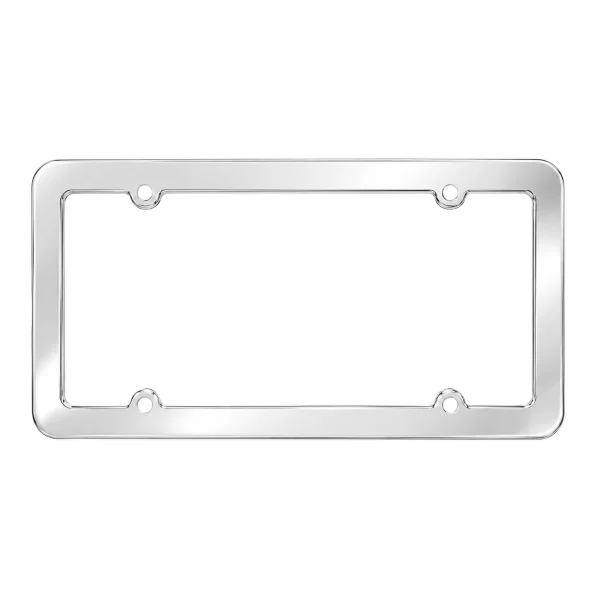
Sometimes, the aluminum plate itself is simply too thin and warped to sit flat. Adding a heavy-duty, rigid Stainless Steel License Plate Frame over the plate adds much-needed structural weight. This added mass raises the plate's natural weight, making it much harder for bass frequencies or air displacement to trigger a loud rattle. Just ensure that any rigid metal frame you buy includes rubber backing washers so the metal of the frame doesn't touch your car's paint.
Check Your Mounting Hardware Before Finishing
While focusing on the frame and backing materials solves most noises, do not overlook the actual screws. Over time, road vibrations can back standard license plate screws out of their nylon inserts, leaving the entire assembly slightly loose.
When completing your project, inspect the nylon mounting inserts inside your bumper. If the plastic threads are stripped, the screws will spin freely and fail to clamp the plate tight. Replace old, stripped inserts with fresh factory clips, and swap out rusted screws for clean, rust-proof hardware. Tighten the fasteners firmly, but be careful not to overtighten and crack the underlying plastic inserts.
Enjoying a Premium Acoustic Seal
Your car's exterior look and sound should reflect quality. Spending a few minutes to properly insulate and secure your rear license plate not only protects your vehicle's resale value from hidden rust damage but also restores that quiet, premium solid thud that every car owner appreciates.